Modern Nordic warmth, right from the ceiling
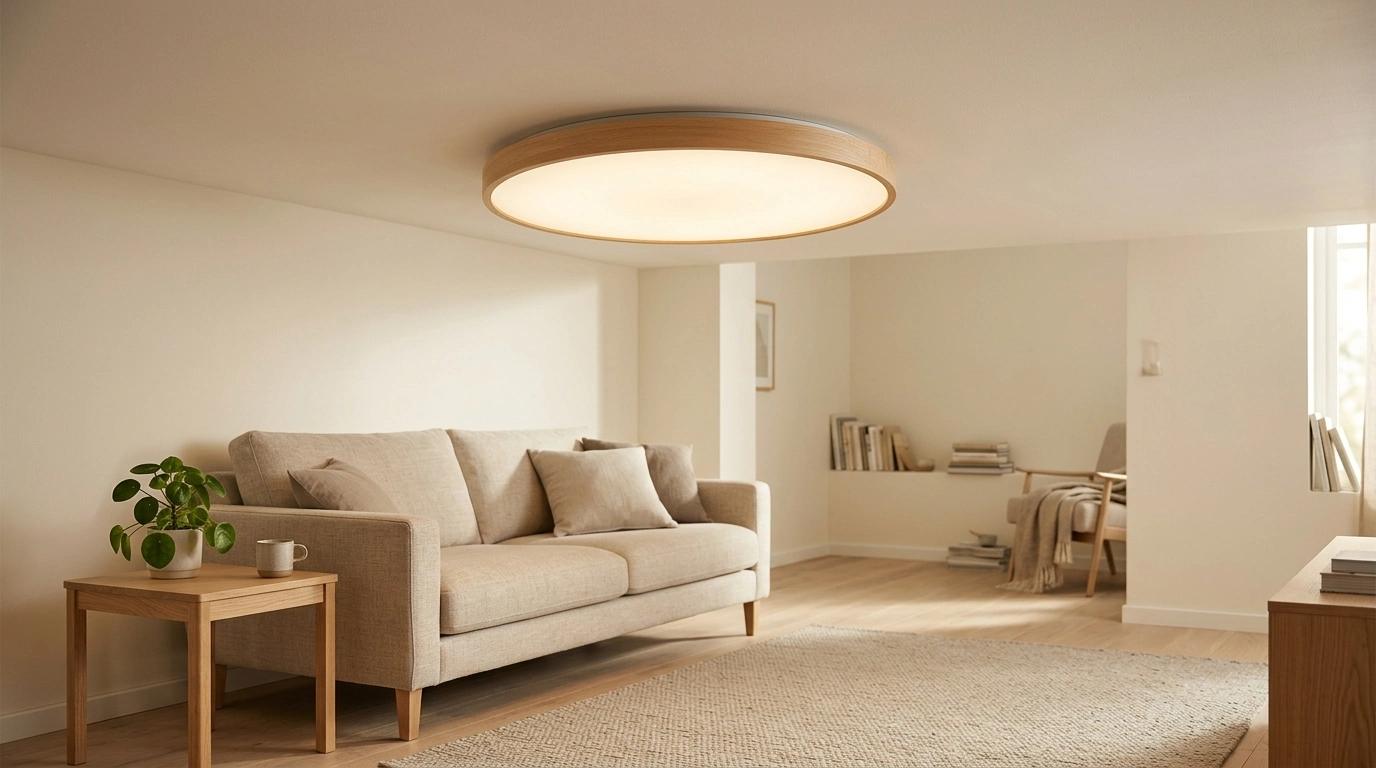
Clean lines, warm materials, and light that feels calm rather than harsh—our Modern Nordic Wooden LED Ceiling Light for Bedroom & Living Spaces is made for everyday rooms where comfort matters. It brings the softness of wood into the ceiling plane and pairs it with efficient LED illumination, creating a simple focal point that works in bedrooms, living rooms, and open-plan spaces without visual clutter. For more guidance, see Kuranda Dog Beds® | Elevated, Chew Proof, Easy to Clean.
The look: Nordic simplicity with a warmer finish
If you like modern interiors but don’t want them to feel cold, wood details are one of the easiest ways to soften the room without adding visual noise. For further reading, see Does Your Dog Need an Orthopedic Bed? | Joint Support & ….
- Wood accents add warmth to smooth walls, neutral textiles, and minimal furniture silhouettes.
- A ceiling-mounted light helps the room stay open—especially helpful when floor lamps or pendants would crowd walkways or seating areas.
- This style fits common palettes: whites, creams, greiges, light oak tones, black accents, and natural fibers.
- It works as a “quiet” centerpiece that supports other decor (art, rugs, plants) instead of competing with it.
Where it fits best: bedroom calm, living room clarity
Most of us need lighting that flexes with real life: slow evenings, busy mornings, and everything in between. A low-profile ceiling light is a practical anchor for that routine.
- Bedrooms: aim for a cozy, even glow that supports winding down; pair with bedside lamps for layered light.
- Living spaces: use it for general illumination that keeps the room usable for conversation, play, and daily routines.
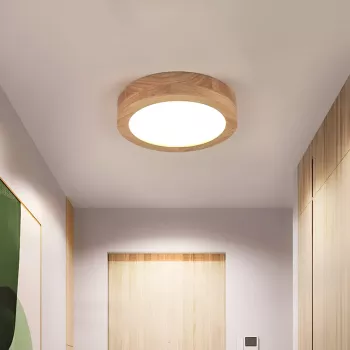
- Entryways and hallways: a streamlined ceiling light keeps transitional spaces bright and welcoming without narrowing the passage.
- Home office corners: comfortable overhead light supports focus when paired with a task lamp.
How to plan your lighting: quick room-by-room guide
A ceiling light does the heavy lifting, but the best-feeling rooms rarely rely on one source alone. Start by deciding what you need most: overall visibility, a softer ambient mood, or supportive overhead light to complement lamps.
- Define the job: general light (overall visibility), ambient mood (soft comfort), or supportive overhead alongside lamps.
- Layer for comfort: overhead + one or two smaller light sources reduces shadows and glare.
- Match color temperature to the room: warmer for rest, slightly cooler for active or task-focused areas.
- Keep finishes cohesive: wood + matte neutrals + simple metals reads intentional and easy to live with.
Lighting checklist for common home spaces
| Space |
Best use of a ceiling light |
Suggested color temperature range |
Simple pairing idea |
| Bedroom |
Soft overall light for comfort |
2700K–3000K (warm white) |
Add bedside lamps for reading and wind-down |
| Living room |
Balanced general illumination |
2700K–3000K (warm white) |
Add a floor lamp near seating for depth |
| Dining nook |
Even ambient light that flatters the table |
2700K–3000K (warm white) |
Use candles or a small table lamp for mood |
| Hallway/entry |
Clear visibility for transitions |
3000K (warm-neutral) |
Pair with a mirror to bounce light |
| Work corner |
General light that supports tasks |
3000K–4000K (neutral) |
Use a focused desk lamp to reduce glare |
Why LED matters for everyday rooms
Because bedrooms and living rooms are used constantly, your overhead light needs to be efficient, comfortable, and dependable.
- Energy efficiency: LED lighting is designed to use less energy for the same brightness—helpful when lights are on for long stretches. For a practical overview, see ENERGY STAR’s lighting guidance.
- Consistent illumination: steady brightness makes everyday routines easier—cleaning, tidying, getting ready, or settling in after work.
- Lower heat output: LEDs typically run cooler than many traditional options, which can feel more comfortable in smaller rooms. The U.S. Department of Energy’s LED overview explains the basics.
- Low maintenance: a modern LED ceiling light supports a streamlined setup with fewer bulb changes and less fuss over time.
Styling ideas that keep the room feeling light
Nordic-inspired rooms feel calm because they’re edited. A ceiling light with wood accents can support that vibe—without asking you to redesign the whole space.
- Match wood tones on purpose: echo the warmth once—like a small side table, picture frame, or woven basket—rather than repeating wood everywhere.
- Bring in soft textures: linen curtains, wool throws, and textured rugs help overhead light feel gentler.
- Keep the ceiling zone clean: avoid competing elements near the top of the room so the space stays airy.
- Small-room tip: pale walls plus a few darker accents keeps things balanced; the ceiling light becomes a warm transition point instead of a heavy fixture.
Simple install and placement planning (before the ladder comes out)
Make it a room set: easy pairings from our shop
FAQ
Is this ceiling light a good choice for a bedroom?
Yes—aim for a warm white light in the 2700K–3000K range for a cozy feel, and add bedside lamps so you can keep overhead lighting softer at night.
What color temperature works best for living spaces?
Most living rooms feel inviting at 2700K–3000K. If you use the room for more focused tasks, a slightly more neutral tone around 3000K can feel clearer without turning harsh.
How can glare be reduced with an overhead LED light?
Layer your lighting with lamps, keep nearby finishes more matte than glossy, and avoid placing reflective surfaces directly under the brightest point of the fixture.
Recommended for you











Leave a comment