HomeBlogBlogExtra-Long Non-Woven Kitchen Rug for Oil & Water Spills

Extra-Long Non-Woven Kitchen Rug for Oil & Water Spills

Extra-Long Non-Woven Kitchen Rug for Oil & Water Spills

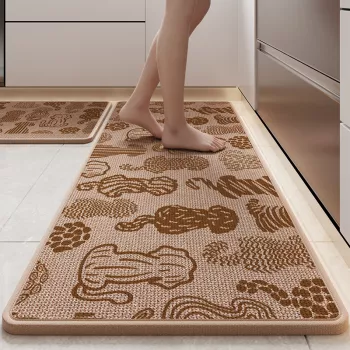
Non-Woven Kitchen Rug Extra Long: Oil-Absorbent, Non-Slip, Skin-Friendly Floor Mat for Cleaner Cooking Zones

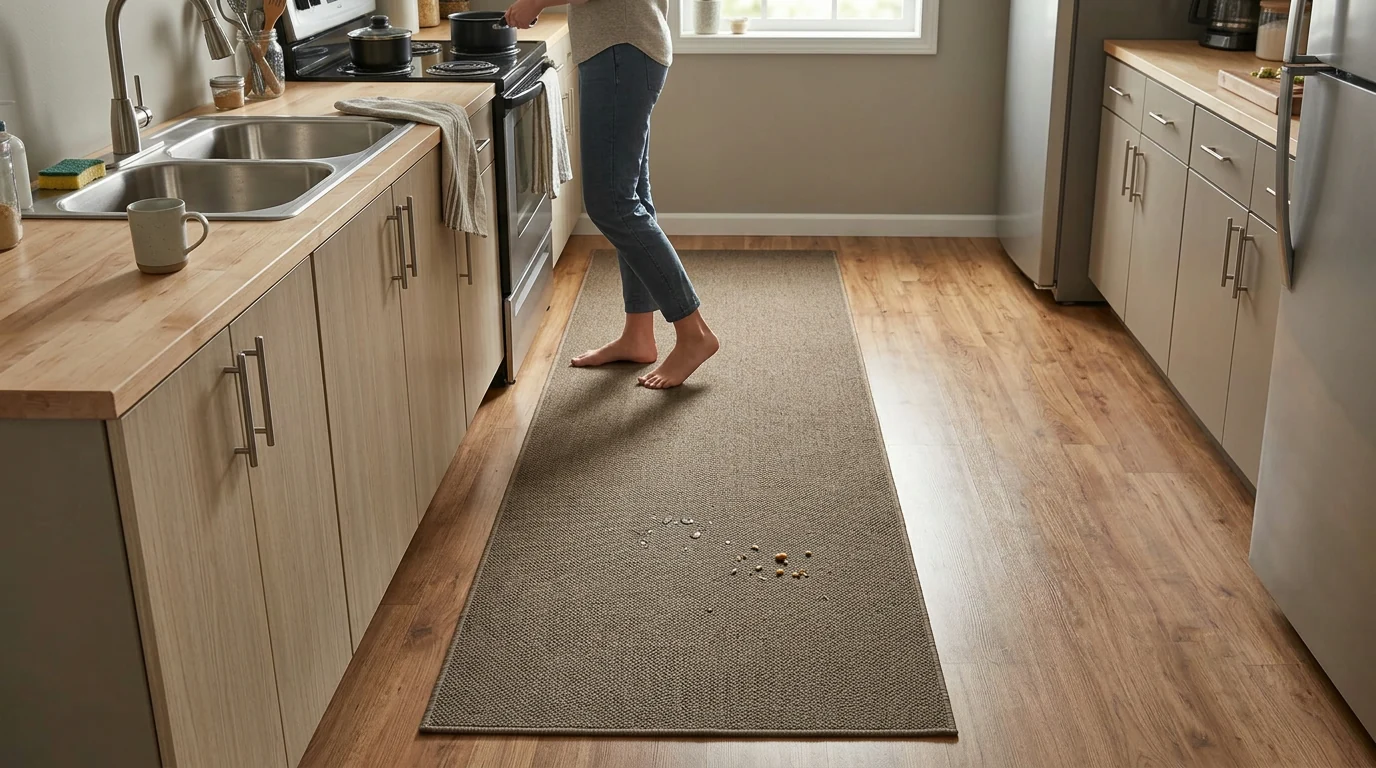
Busy kitchens spill—water by the sink, oil by the stove, crumbs everywhere in between. An extra-long non-woven kitchen rug is a simple way to cover the high-traffic strip where most mess happens, while adding grip underfoot and a softer feel for standing. Our team put together this guide to show you how an oil-absorbent, non-slip, skin-friendly floor mat fits into everyday cooking routines, where to place it, and how to keep it looking fresh.

Why kitchens need an extra-long runner (and why non-woven works)

Most kitchens have a predictable “work line”: you prep, you rinse, you cook—often in a single path. An extra-long runner protects that route so you’re not chasing mess from one tile (or plank) to the next.

  • Covers the work line: A long rug helps catch drips and crumbs before they spread across the floor and get tracked into other rooms.
  • Non-woven practicality: Non-woven surfaces are built for quick uptake of everyday splashes, making mid-cooking spot-cleaning less of a production.
  • One mat beats many: A single long rug reduces the need for multiple small mats that shift, overlap, or leave slippery gaps.
  • More comfort, fewer obstacles: You get cushioning where you stand most—without turning the kitchen into a patchwork of tripping edges.

Oil-absorbent + non-slip: the two features that protect the cooking zone

Oil and water are the usual culprits behind kitchen slips. A runner that absorbs small splashes and stays put can make the busiest zone feel more controlled—especially when you’re pivoting between counter, sink, and stove with full hands.

  • Oil absorbency matters near heat: In front of a stove, air fryer, or countertop appliance, tiny splatters add up. Absorbency helps reduce slick patches before they spread outward.
  • Non-slip backing supports quick movement: A grippy underside is designed to reduce shifting when you turn or step back from the counter.
  • Best practice for traction: Start with a clean, dry floor so the backing can grip properly; trapped dust can act like little ball bearings.
  • Fewer seams, fewer stumbles: Using one long piece (instead of several small ones) reduces curled edges where toes catch.
Kitchen spill zones and what a long non-woven mat helps with

Zone Typical mess What the mat does Placement tip
Sink line Water drips, soap suds Catches droplets and reduces wet footprints Center the mat where your feet naturally stand at the basin
Stove/cooktop Oil splatter, sauce drips Absorbs small splashes before they spread Extend coverage slightly past the front of the stove
Prep counter Crumbs, produce moisture Collects debris for quicker sweep-up Align with the counter edge where chopping happens
Coffee/tea station Milk/coffee drips Stops sticky spots forming on hard floors Place under the pour-and-stir area

If you want a deeper read on reducing slip risks around wet floors and walking surfaces, the guidance from NIOSH and OSHA is a helpful reference point for safe everyday habits.

Skin-friendly feel and everyday comfort underfoot

Kitchens aren’t always shoes-on spaces. If you’re grabbing morning coffee barefoot, cooking in socks, or moving quickly to help kids or pets, the feel underfoot becomes part of the daily experience.

  • Comfort when you’re barefoot: A skin-friendly surface is a simple upgrade if you spend time standing at the sink or stove.
  • Smooth, functional texture: Non-woven textures tend to be practical in high-use areas, helping you avoid the “scratchy rug” problem right where you stand most.
  • Consistent surface across stations: Extra-long coverage means you’re not stepping on-and-off different textures while moving down the counter line.
  • Quieter foot traffic: A softer mat can slightly reduce the clatter of quick movement through the kitchen, which is especially noticeable in open layouts.

Where to place an extra-long kitchen rug for the biggest payoff

Care routine: keep it absorbent, grippy, and fresh

Quick pairing ideas to make the kitchen feel pulled together

FAQ

Will an oil-absorbent kitchen rug make the floor less slippery?

Yes, absorbency helps capture small splashes before they spread, and a non-slip backing helps keep the mat from shifting underfoot. For the best grip, blot spills promptly and place the mat on a clean, dry floor so the backing can hold properly.

Where should an extra-long kitchen rug be placed—sink, stove, or both?

If you can, cover the main work line in one run—sink + prep + stove—so the highest-mess, highest-traffic strip is protected. If you’re choosing just one spot, place it where you stand the most and where splashes happen most often.

How do you keep a non-woven kitchen mat from smelling or holding residue?

Shake out or vacuum frequently, blot oil quickly, and spot-clean the busiest areas on a regular cadence. Also lift the mat occasionally and wipe the floor underneath so moisture and residue don’t build up where you can’t see it.

Was this article helpful?

Yes No
Leave a comment
Top

Shopping cart

×