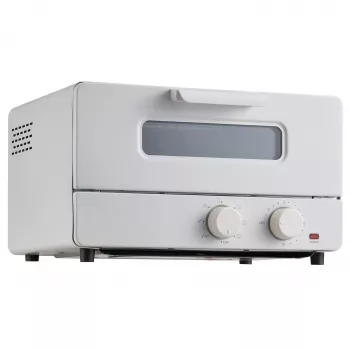
A compact convection oven with steam support can do more than toast. It can reheat leftovers without turning them tough, bake small-batch meals with more even browning, and help weeknight staples come out crisp on the outside and tender inside. A 12L 5-in-1 steam toaster oven combo is sized for countertops, dorms, and RVs, while offering multiple cook modes for fast, flexible everyday use—especially when you’re cooking for one to three people.
A smaller cavity isn’t a limitation when it matches how you actually cook during the week. This style of steam-capable toaster oven is built around quick cycles, smaller pans, and foods that benefit from gentler reheating.
If your typical “oven use” is a couple slices of toast, a personal pizza, reheated takeout, or a tray of wings, a 12L countertop unit can feel more practical than firing up a full-size range.
Steam and convection are a useful pairing because they tackle two common compact-oven issues: drying and uneven hot spots.
| Food | Suggested mode | Steam level | What to watch for |
|---|---|---|---|
| Toast & bagels | Toast / convection | Off or low | Color change happens quickly in compact ovens |
| Pizza slices | Convection reheat | Low | Aim for a crisp bottom without drying the cheese |
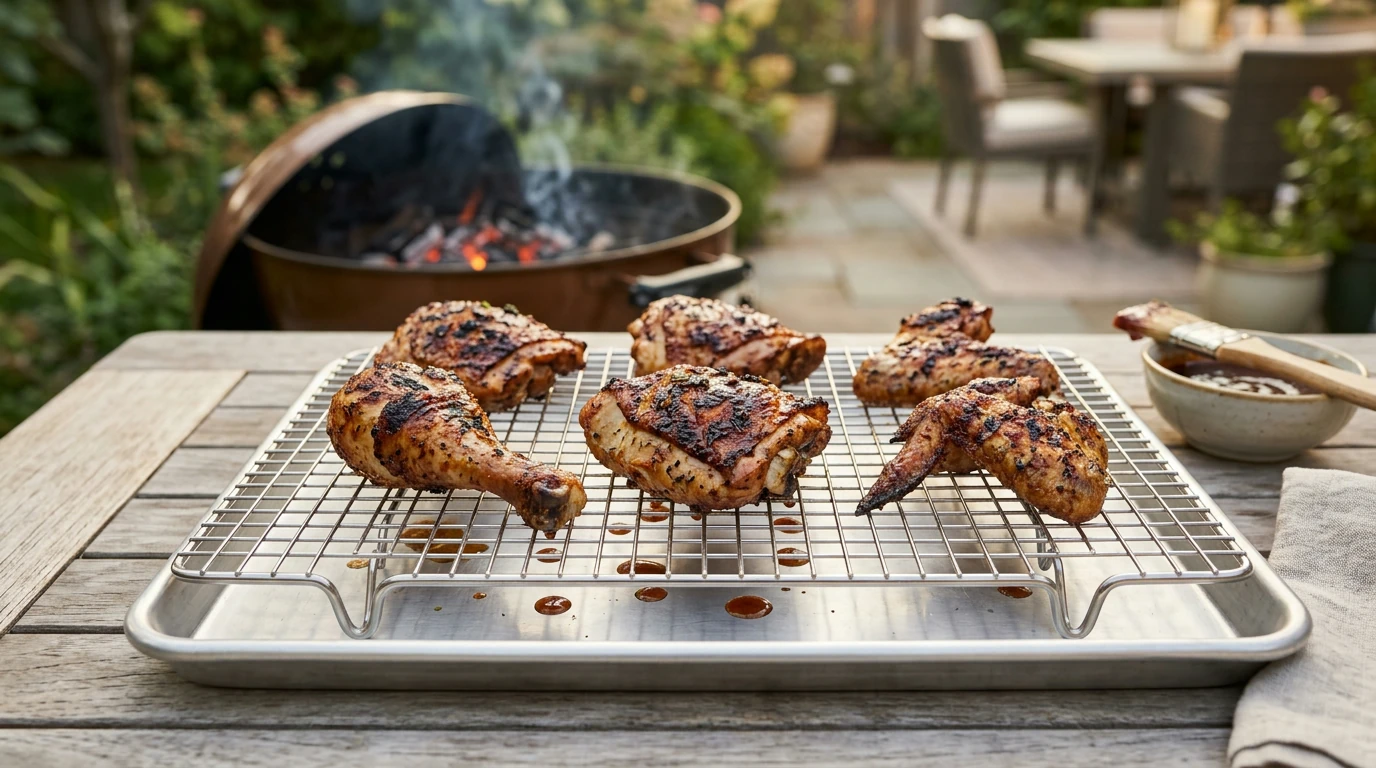
| Chicken wings (small batch) | Convection bake/roast | Off (finish) / low (start) | Add steam early for tenderness, then switch dry for crisping |
| Cookies (small tray) | Bake (convection) | Off | Rotate tray if browning is uneven |
| Salmon fillet | Convection bake | Low | Pull when center is just opaque; rest briefly |
Because compact ovens respond fast, start conservative, then adjust: a minute longer, a notch hotter, or a short dry “finish” can make the difference between tender and overdone.
Specs are most useful when they connect to real-life constraints: counter space, portion size, and how quickly you want food ready.
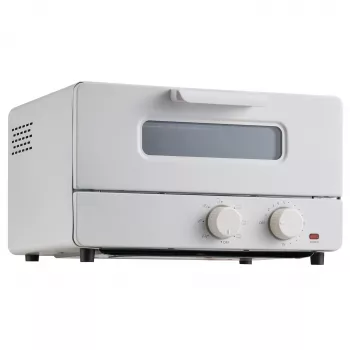
For a straightforward setup that covers weekday basics, consider the 5-in-1 Steam Toaster Oven Combo 12L Compact Convection Oven 1300W—a practical size for dorms, small apartments, and quick meal routines.
Steam is most effective when used strategically. The goal is to keep interiors moist while still drying and crisping the surface at the right moment.
A simple example: for pizza slices, warm with low steam just long enough to loosen the crumb and melt toppings, then finish dry to re-crisp the crust.
Steam cooking adds one extra variable—water—so small habits make a big difference in keeping the oven fresh and consistent.
For leftovers and reheats, food safety still matters. Follow time-and-temperature guidance from the USDA Food Safety and Inspection Service, and use a thermometer when possible (see the FDA’s food thermometer guidance).
To round out a compact setup, pair weeknight bowls and tray meals with a few countertop-friendly essentials like the Handmade Ceramic Noodle Bowl – Creative Round Ramen Soup Deep Bowl for rice bowls and ramen nights, or the Scandinavian Handwoven Leaf Placemat – Eco-Friendly Straw Dining Mat to keep your table protected when meals move fast.
It can if steam is used for the entire cook. A reliable method is adding steam early to keep the interior moist, then finishing with dry convection to restore crisp edges and a browned surface.
It’s best for toast, small-batch baking, single-pan meals, and roughly 1–3 portions. Large roasts and oversized casserole dishes may not fit comfortably or allow proper airflow.
Reheat leftovers to safe internal temperatures and use a steam-assisted warm-through followed by a short dry-heat finish for better texture. A food thermometer helps confirm the center is heated adequately, especially for dense foods.







Leave a comment