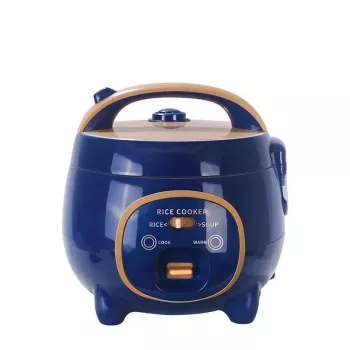
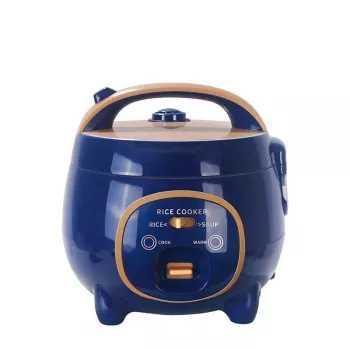
Mini 1.8L Rice Cooker: Efficient Cooking for Rice and Soup in Small Kitchens
Weeknight meals get easier when one compact pot can handle fluffy rice and cozy soup without taking over the counter. Our team built the Mini 1.8L Rice Cooker for efficient cooking in smaller batches—ideal for apartments, dorms, office lunches, and quick family sides—so dinner can move from “what now?” to “served” with less monitoring and fewer dishes.
What “efficient cooking” looks like for rice and soup
Efficiency isn’t just about speed—it’s about fewer steps, fewer tools, and more repeatable results. In a small kitchen, that can matter as much as the meal itself.
- One-pot versatility: A single countertop cooker can cover everyday staples like rice and broth-based soups, cutting down on stovetop juggling.
- Smaller capacity, faster routine: A 1.8L size is designed for practical portions, helping reduce waste and making it easier to cook just what’s needed.
- Less active time: Rice cookers are meant to keep heat steady so rice cooks more evenly and soups simmer without constant attention.
- Cleaner workflow: Cooking and serving from the same pot can reduce extra pans, strainers, and ladles.
- Reliable repeats: Once the right water-to-rice ratio is dialed in, the results tend to be consistent from batch to batch.
Everyday rice results: simple steps that improve texture
You don’t need complicated techniques to get better rice—just a few small habits that make your cooker more predictable.
- Rinse for clarity and separation: A quick rinse helps remove surface starch for cleaner, less sticky grains (especially for long-grain and jasmine).
- Measure consistently: Use the same cup each time for both rice and water; consistency matters more than the specific cup size.
- Rest after cooking: Let rice sit covered for several minutes so moisture redistributes for fluffier texture.
- Fluff, don’t mash: Use a paddle or spoon to gently lift and separate grains to prevent compressing the rice.
- Season smart: Add a pinch of salt, a small knob of butter, or a splash of broth for more flavor without complicating the cook.
Quick guide: rice types and starting water ratios
| Rice type |
Starting water-to-rice ratio |
Notes for better results |
| White long-grain |
1.5:1 |
Rinse once or twice; rest before fluffing |
| Jasmine |
1.25–1.5:1 |
Use less water for firmer grains; avoid over-rinsing if aroma is a priority |
| Basmati |
1.25–1.5:1 |
Rinse well; a short soak can help elongate grains |
| Brown rice |
2:1 |
Plan a longer cook time; rest longer after cooking |
Soup in a rice cooker: quick, comforting, and low-fuss
A compact rice cooker can be a surprisingly practical soup pot, especially when you’re aiming for a couple bowls without a big stockpot commitment.
- Best soup styles: Broth-forward soups, lentil soups, simple chicken-and-rice, miso-style soups, and vegetable soups work well in compact cookers.
- Build in layers: Start with aromatics and pre-cooked proteins when possible; add quick-cooking vegetables near the end to keep them vibrant.
- Keep portions in mind: A 1.8L cooker is great for a few bowls—avoid overfilling to reduce bubbling over.
- Stir for thick soups: If making congee, chowder-like soups, or anything starchy, stir occasionally to reduce sticking and keep texture even.
- Taste and finish: Adjust salt/acid (lemon, vinegar) at the end; small cookers concentrate flavors quickly.
A practical weeknight routine: cook once, serve well
If you’re trying to get food on the table without bouncing between burners, a simple rhythm helps.
- Pair rice + soup for a complete meal: Start rice first, let it rest covered, then switch to a quick soup base—or make soup while rice stays warm if your routine includes a keep-warm phase.
- Batch smart: Cook a fresh pot of rice and portion leftovers for lunch bowls; day-old rice also works well for fried rice or as a soup add-in.
- Serve and set the table fast: A small cooker is easy to move from counter to table with minimal transferring.
- Plan toppings: Scallions, toasted sesame, chili crisp, or shredded nori can make a simple bowl feel special without extra cooking.
- Keep cleanup short: Soak the inner pot soon after serving so rice starch releases more easily.
Care and food-safety habits that protect flavor and freshness
For additional general guidance on safe leftovers, you can reference the USDA’s leftovers and food safety page and the FDA’s safe handling principles for higher-risk households: USDA FSIS: Leftovers and Food Safety and FDA: Food Safety for People with Weakened Immune Systems.
Small-kitchen picks from our team
FAQ
How much rice can a 1.8L rice cooker make?
A 1.8L capacity refers to the pot’s volume, and the amount of cooked rice you’ll get depends on the rice type and how much water it absorbs. For best results, cook small-batch to moderate portions and avoid filling to the brim; if your cooker includes fill lines, use them as your guide.
Can this rice cooker handle soup without boiling over?
Yes, a compact rice cooker can work well for soup when you keep volumes reasonable and leave headspace. Avoid overfilling—especially with starchy ingredients—and stir thicker soups occasionally to help prevent sticking and bubbling over.
What’s the best way to store and reheat leftover rice safely?
Cool leftover rice quickly by moving it into shallow containers, then refrigerate promptly. Reheat until it’s steaming hot throughout, and keep an eye on how long cooked rice sits at room temperature before it’s stored.
Recommended for you







Leave a comment