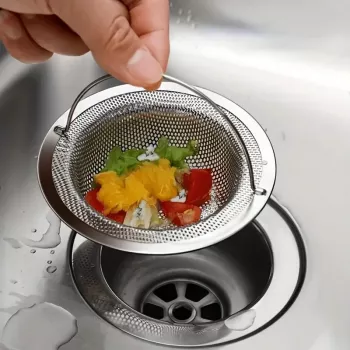
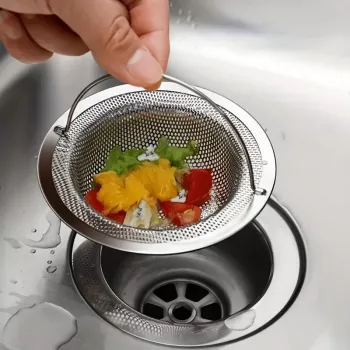
A sink strainer is one of those quiet kitchen essentials: when it works well, the drain stays clear, cleanup is faster, and food scraps are easier to handle. A stainless steel kitchen sink strainer with handle is designed for daily cooking routines—catching bits before they head into the pipes, then lifting out smoothly when it’s time to empty and rinse.
Most of us don’t notice the drain until water starts pooling or there’s a not-so-great smell. A handled drain basket keeps that “hidden” work simple and hygienic.
If you’ve ever tried to fish out onion skins or soggy rice with your fingertips, you already know the real benefit: a handle turns an unpleasant task into a two-second lift-and-dump.
The sink is a wet zone that sees temperature swings, soap, food residue, and frequent rinsing. Stainless steel fits that reality with less fuss day to day.
And while no strainer replaces good sink habits, it can support them—especially when you’re mindful about what goes down the drain. The EPA specifically calls out fats, oils, and grease as common causes of blocked drains; keeping solids out helps, and keeping greasy residues out matters too. Learn more at United States Environmental Protection Agency (EPA).
Sink baskets are simple, but fit still matters. A stable seat prevents scraps from sneaking around the edges, and it keeps the basket from rocking while you rinse.
| What to check | Why it matters | What to do |
|---|---|---|
| Drain opening diameter | Prevents poor seating and leaks around the basket edge | Measure across the opening; compare with your current basket |
| Basket depth | Affects how much debris it can hold between cleanouts | Choose a depth that fits your cooking volume |
| Handle clearance | Makes lifting easier without scraping the sink rim | Ensure the handle can be grasped comfortably |
| Daily cleanup style | Determines whether you prefer frequent quick emptying or fewer larger loads | Pick a basket size that matches how often you cook |
A strainer basket does its best work when it becomes part of your normal rhythm—no special steps, just fewer interruptions.
For broader kitchen safety guidance—especially helpful if you’re updating small hardware around sinks and counters—visit the U.S. Consumer Product Safety Commission (CPSC) for home safety resources.
If your current basket is missing or annoying to grab, our team keeps an easy, budget-friendly option in stock: Stainless Steel Kitchen Sink Strainer with Handle – Drain Basket Replacement. It’s a small swap that can make the whole sink feel easier to manage—especially on busy weeknights.
Measure the drain opening diameter and compare it to your current basket or strainer. Once placed, the right replacement should sit level and stable without wobbling or leaving gaps where scraps can slip through.
Rinse it after heavy use, and do a deeper wash whenever residue builds up or odors appear. If you cook often or deal with starchy scraps, you’ll likely want to empty and rinse it more frequently.
Yes—by catching food scraps before they enter the drain lines. Emptying it promptly reduces buildup and can slow the start of blockages.










Leave a comment