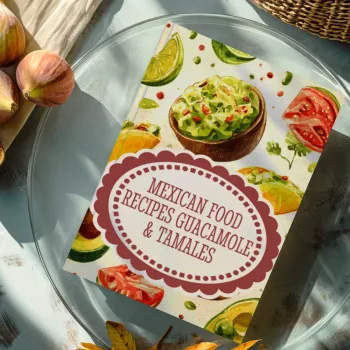
Bold salsas, bright citrus, warm masa, slow-simmered fillings—Mexican cooking turns everyday ingredients into meals worth gathering for. Our team built this digital cookbook for real kitchens: authentic favorites like guacamole and tamales alongside modern, time-smart recipes that still respect traditional techniques. If you love big flavor but want a plan that works on a Tuesday, you’ll feel right at home.
This download is designed to meet you where you cook—sometimes with time for a full tamalada, sometimes with 30 minutes and a hungry table.
If you want to get started right away, our Mexican Food Recipes Guacamole & Tamales (Digital Download eBook) is ready to save, bookmark, and cook from tonight.
Great guacamole is simple, but it isn’t accidental. When yours tastes bland, it’s usually missing balance—not ingredients.
| Style | What to add | Best with |
|---|---|---|
| Classic street-style | White onion + cilantro + lime + salt | Tacos, chips, fajitas |
| Roasted and smoky | Roasted jalapeño/serrano + charred tomato | Grilled meats, bowls |
| Bright and fruity | Mango or pineapple + extra lime | Spicy dishes, summer spreads |
| Extra-creamy | A spoon of crema or Greek yogurt | Tortas, burritos, nachos |
Tamales don’t have to be a once-a-year project. When you treat them as a process (not a single recipe), they become repeatable and even relaxing.
For leftovers and safe reheating habits, the USDA’s guidance is a solid reference: USDA Food Safety and Inspection Service: Leftovers and Food Safety.
Mexican cooking feels expansive because a handful of foundations transform into countless meals. Once you keep the right staples, your options multiply fast.
Traditional Mexican cuisine is also recognized for its living community roots—worth reading when you want context beyond the plate: UNESCO: Traditional Mexican cuisine—ancestral, ongoing community culture.
Shortcuts work best when you choose them on purpose. The goal isn’t to cut corners—it’s to keep the flavor logic intact.
If you’re thinking about fats (for example, choosing between lard, oil, or a mix for masa), this overview is helpful: Harvard T.H. Chan School of Public Health: Fats and Cholesterol.
Mexican food shines when you build a table—not just a plate. A few repeatable “formats” make it easy to feed different tastes without cooking separate dinners.
To make bowls feel special (and to keep brothy meals contained), pair your spreads with our Handmade Ceramic Noodle Bowl. For a tidy, easy reset table, our team also loves the Scandinavian Handwoven Leaf Placemat under salsa jars and lime wedges.
If you host family-style often, a dedicated serving cloth helps the whole spread look intentional without extra fuss—our Bohemian Ethnic Cotton Linen Geometric Tablecloth is an easy way to set the tone.
It’s a blend: you get traditional foundations like salsas, masa-based dishes, and classic flavor pairings, plus modern, time-saving workflows that fit everyday cooking. You can cook it as a weekend project or scale it down for weeknights.
You’ll need masa harina, fat, broth/stock, filling ingredients, corn husks, and a steamer setup. A large pot with a steamer insert works well—think in stages (filling, masa, assembly, steaming) to keep it manageable.
Minimize air contact by pressing plastic wrap directly onto the surface and chilling promptly. Use lime for flavor balance, but don’t rely on lime alone as the anti-browning strategy.








Leave a comment