Shelf-Stable Food Planning Checklist: a calm, organized pantry for busy weeks and emergency meals
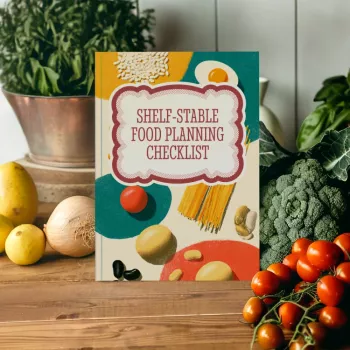
A well-stocked pantry isn’t about fear or overbuying—it’s about making dinner easier on the days when time, energy, or schedules fall apart. Our team designed the Shelf-Stable Food Planning Checklist (digital download) for real kitchens: it helps you map out what to keep on hand, how to rotate it, and how to turn shelf-stable basics into quick meals. Print it, keep it where decisions happen, and use it as a simple system for pantry organization and emergency meal prep that still feels like everyday cooking.
What this printable is designed to do (and why it works)
- Reduce last-minute grocery runs by keeping a reliable core of shelf-stable staples.
- Make meal planning faster by pairing pantry proteins, carbs, and flavor builders into repeatable meal templates.
- Support emergency readiness without turning your pantry into a cluttered stockpile.
- Prevent waste with rotation cues so older items get used first.
- Create an easy “grab list” for restocks, bulk buys, and seasonal sales.
If you want extra confidence around storage times and food safety, you can cross-check categories using the USDA FoodKeeper App and the basics from CDC food safety guidance.
Set up in 20 minutes: a quick-start pantry reset
- Clear one shelf at a time and group items into broad categories (proteins, grains, vegetables, sauces, snacks, baking).
- Pull anything expired or questionable; set aside duplicates you’ll prioritize using first.
- Choose “first-in, first-out” zones: put newest behind and oldest in front.
- Assign a small bin or basket for emergency meal components (quick-cook starch + protein + sauce).
- Print the checklist and keep it where decisions happen—inside a cabinet door, pantry wall, or a fridge clipboard.
Fast pantry zoning (simple labels that keep items findable)
| Zone label |
What belongs here |
Goal |
| Everyday staples |
Rice, pasta, canned tomatoes, beans, broth, oats |
Weeknight meals without extra planning |
| Quick proteins |
Canned tuna/salmon/chicken, lentils, shelf-stable tofu (if used), nut butters |
Add protein in under 5 minutes |
| Flavor builders |
Oil, vinegar, soy sauce, hot sauce, spices, curry paste, bouillon |
Make pantry meals taste intentional |
| Emergency meal bin |
Instant rice/noodles, canned protein, jarred sauce, dehydrated veg |
A complete meal when cooking is minimal |
| Backstock |
Extra duplicates of favorites |
Restock without forgetting what’s already owned |
Build a shelf-stable meal plan from mix-and-match templates
Instead of hunting for “perfect pantry recipes,” pick two or three templates you can repeat. Your checklist becomes a decision tool: you glance at what’s in the front row, then plug it into a template.
- Template 1: Grain + bean + salsa/sauce = burrito bowls, chili bowls, rice-and-beans variations.
- Template 2: Pasta + canned tomatoes + tuna/beans = pantry pasta in 15 minutes.
- Template 3: Broth + noodles + canned protein = fast soup (add spices and shelf-stable aromatics like garlic powder).
- Template 4: Oats + nut butter + dried fruit = breakfast that doesn’t rely on fresh groceries.
- Template 5: Canned veg + curry sauce + rice = pantry curry (finish with coconut milk if you keep it on hand).
Small “finishers” can make these meals feel like dinner, not a compromise: a splash of acid (vinegar, pickled jalapeños), a crunchy topping (crackers, nuts), or a heat option (hot sauce, chili oil). Serving soup noodles or quick ramen in a dedicated bowl also helps the meal feel complete; our team likes a deep, comfortable shape like the Handmade Ceramic Noodle Bowl – Creative Round Ramen Soup Deep Bowl for pantry soups and “everything-in-one” broth meals.
A practical checklist rhythm: weekly, monthly, and seasonal
- Weekly (5 minutes): Check the “front row” for items you can build meals around; add 3–5 missing essentials to your next shopping list.
- Monthly (15 minutes): Scan for expiration dates; move near-date items into an “use next” bin so they don’t disappear behind newer purchases.
- Seasonal (30 minutes): Refresh pantry goals (back-to-school quick lunches, holiday baking basics, winter soups).
- Keep quantities realistic: the best pantry plan is one that fits your space and gets rotated regularly.
- If emergency readiness is a goal, focus on foods you already enjoy—rotation becomes natural.
For broader emergency kit planning (beyond food), Ready.gov’s Build a Kit is a helpful baseline for thinking through practical needs.
Emergency meal prep without overthinking it
Print, store, and reuse: making a digital download part of the kitchen routine
Small upgrades that make pantry meals feel like real meals
- Use a dedicated soup or noodle bowl to turn “emergency ramen” into a satisfying dinner—portioning feels intentional.
- Set the table with simple textures on low-energy nights; even one placemat can shift the mood. Our team loves the Scandinavian Handwoven Leaf Placemat – Eco-Friendly Straw Dining Mat for an easy, settled feel.
- Stock one “finisher” category: crunchy toppings, acid, and heat.
- Keep a short list of three pantry meals everyone agrees on; decision fatigue is often the real emergency.
FAQ
How many days of shelf-stable food should be kept on hand?
A practical range is a few days to a couple of weeks, depending on your household size, storage space, and how reliably you rotate what you buy. If you’re building toward emergency readiness, prioritize foods you already eat so the supply stays fresh through normal cooking.
What counts as shelf-stable for meal planning?
Shelf-stable foods are items you can store safely at room temperature until opened, including canned, dried, jarred, and boxed foods, plus some UHT products. Once opened, follow package instructions and refrigerate or store as directed.
How can the checklist be used to reduce food waste?
Use a first-in, first-out setup so older items stay in front, and create a small “use next” bin for near-date foods. A quick monthly scan plus planning one or two meals around those items prevents duplicates and forgotten cans from expiring.
Recommended for you









Leave a comment