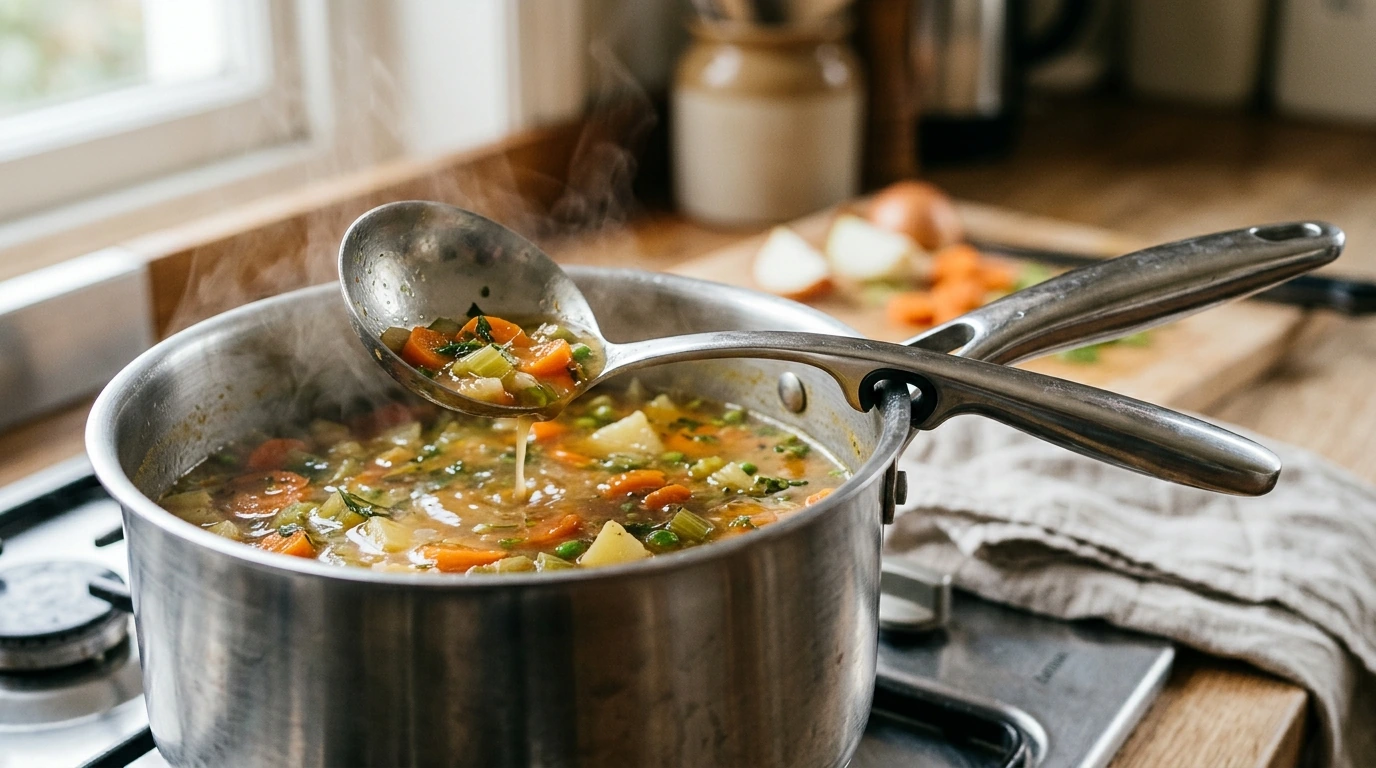
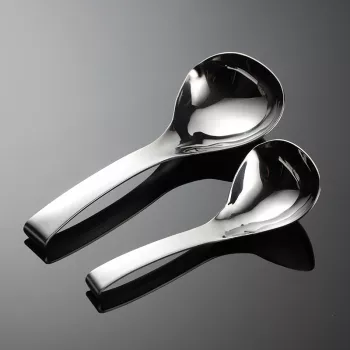
A dependable soup spoon should do more than scoop. It should feel balanced in your hand, handle hot pots without slipping, and clean up easily after everything from brothy ramen to creamy chowder. Our 304 Stainless Steel Soup Spoon with Hanging Edge is designed as a versatile kitchen tool—built for daily use, quick stirring, serving, and staying where you set it (instead of sliding into the pot or onto the counter). For more guidance, see 2026 Exclusive Deal Chinese Spoons.
Most soup spoons are fine—until you’re juggling a simmering pot, a lid, and a spoon that keeps sliding. Our team chose a simple, functional detail that makes a noticeable difference: a hanging edge that gives the spoon a natural “home” on the rim of your pot or bowl. For further reading, see Kitchen utensil.
The hanging edge isn’t a gimmick—it’s the kind of feature you notice most on busy weeknights, when you want fewer drips and fewer “where did my spoon go?” moments.
| Kitchen task | What usually goes wrong | How the hanging edge helps | Practical tip |
|---|---|---|---|
| Stirring a simmering pot | Spoon slides into the pot or rests awkwardly on the lid | Hooks onto the rim for a steadier rest | Rest the spoon on the side opposite the burner flame for cooler handling |
| Serving soup or stew | Counter drips and utensil clutter | Provides a simple rim-rest point between servings | Pair with a deep bowl to reduce splashing when ladling |
| Ramen and noodles | Hard to balance broth + noodles without tipping | Adds stability when pausing at the bowl edge | Use chopsticks/fork in one hand and spoon in the other for cleaner bites |
| Sauces and reductions | Sticky drips build up on counters | Keeps spoon perched at the pan edge while tasting | Wipe the underside quickly with a folded towel before resting for cleaner cookware edges |
When a utensil lives on the stovetop and touches hot, salty, and sometimes acidic foods, material matters. 304 stainless steel—often referred to as 18/8 or 18/10 in many kitchen contexts—is widely used in food-contact tools because it holds up well to normal cooking conditions and resists rust and staining.
If you like reading up on materials, you can find general background on stainless steel properties from Encyclopaedia Britannica, an overview of stainless steel in food-contact applications from the Nickel Institute, and broad guidance around food-contact substances from the U.S. FDA.
| Situation | What to do | What to avoid |
|---|---|---|
| After salty soup or stock | Rinse and wash soon after serving | Leaving it soaking overnight in salty water |
| Water spots after drying | Hand-dry with a soft towel | Air-drying in hard-water conditions if you want a spot-free finish |
| Stuck-on sauce | Soak briefly in warm soapy water, then wipe clean | Aggressive scraping with very abrasive tools |
The hanging edge is designed to catch on the rim of a pot or bowl, helping the spoon stay put instead of sliding into hot soup. It also gives you a reliable resting point between stirs or servings, which can reduce drips on your counter.
304 stainless steel is commonly used for food-contact cookware and utensils because it resists corrosion and holds up well to normal kitchen conditions. Use it as you would other stainless utensils, then wash and dry it after cooking and serving.
Drying right after washing helps prevent spots. If spots show up, wipe with a warm water and vinegar solution or use a stainless-safe cleaner, then rinse and dry thoroughly.









Leave a comment