4-in-1 Handheld Blending Power for Everyday Cooking (and Baby Mealtimes)
A compact handheld blender-mixer can simplify daily prep in a way bulky countertop appliances often can’t. Instead of pouring hot soup into a jar or hauling out a stand mixer for a small task, a 4-in-1 handheld set lets you blend, whisk, and mix right where you’re cooking—great for quick smoothies, silky purees, whipped cream, and light batters. For families, it’s also a practical tool for making baby-friendly textures while keeping the same meal enjoyable for older kids and adults. For more guidance, see An In-Depth Review of Vitamix vs. Blendtec vs. Oster ….
Below is a clear look at what these multi-attachment sets do best, how to use them safely around infant foods, and small habits that keep performance strong over time. For further reading, see How to Choose a Blender.
What a 4-in-1 handheld set handles well
- Blending in the same pot or cup: Make soups, sauces, and smoothies without transferring to a countertop blender jar.
- Spoon-smooth purees: Puree soft-cooked fruits and vegetables into early-stage textures with more control over thickness.
- Fast whisking: Whisk eggs, cream, and light mixes when a full stand mixer is unnecessary.
- Quick emulsions: Blend dressings or mayo-style sauces—best when you use a narrow, deeper container so ingredients circulate properly.
- Small-batch convenience: Ideal for apartments, dorms, and busy kitchens where space and cleanup time matter.
A closer look at the 4-in-1 Handheld Electric Blender and Food Mixer
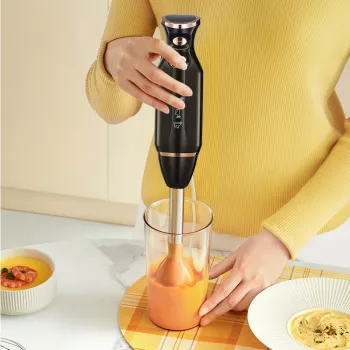
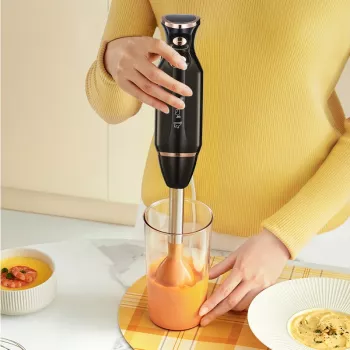
If you want one tool for frequent, smaller jobs, the 4-in-1 Handheld Electric Blender and Food Mixer for Home & Baby is built for multitasking—blending, mixing, and everyday prep in a compact footprint. It’s especially helpful when you’re cooking one meal for everyone: puree a portion to a smoother texture, then keep the rest thicker or chunkier for older eaters.
Another everyday benefit is fewer dishes. Blending directly in a pot, tall cup, or mixing bowl cuts down on transfers, which often means less mess and faster cleanup after dinner.
Common kitchen jobs and the best attachment approach
| Task |
Best approach |
Container tip |
| Baby puree (soft-cooked foods) |
Blend until smooth, then pulse to adjust thickness |
Use a tall cup to reduce splatter and improve circulation |
| Soup in the pot |
Blend off heat, stir, then blend again if needed |
Keep the blade submerged to prevent splashing |
| Whipped cream or eggs |
Whisk at moderate speed, stop to check peaks |
Chill bowl/cream for faster whipping |
| Light batters (pancake, crepe) |
Mix briefly; avoid overworking |
Use a deeper bowl to keep flour contained |
| Dressings/emulsions |
Start slow, then increase once thickening begins |
A narrow jar helps pull ingredients into the blade |
Baby-food safety and texture tips
- Cook produce until very soft: Carrots, sweet potatoes, apples, and pears should be soft enough to mash easily before blending to reduce lumps.
- Thin gradually: Add small amounts of breast milk, formula, water, or cooking liquid until the texture matches your feeding stage.
- Keep flavors simple at first: Single-ingredient purees can make it easier to spot sensitivities; avoid added sugar and keep seasonings mild.
- Follow age-specific guidance: Avoid honey under 12 months and be cautious with salt and choking hazards. Helpful references include the CDC’s infant and toddler nutrition guidance and the American Academy of Pediatrics guidance on starting solids.
- Cool hot foods slightly first: Steamy purees can splatter and cause burns; let foods cool briefly before blending.
How to use a handheld blender without splatter or strain
- Choose the right container: A tall, narrow cup improves circulation and helps prevent splashes (especially with thinner mixtures).
- Start with the head inserted: Place the blender head into the food first, then power on. Turn off before lifting it out.
- Use short bursts for thick mixtures: Pulsing helps manage texture and reduces the chance of overheating the motor with dense foods.
- Move slowly around the pot: For soup, sweep the blender around edges and corners where chunks can hide.
- Pause to scrape sides: For batters or thicker blends, stop and scrape the bowl for a smoother, more even result.
Cleaning, storage, and everyday maintenance
Simple meal ideas that pair well with a handheld blender-mixer
Kitchen add-ons that make prep and serving easier
FAQ
Can a handheld blender make baby food smooth enough for early stages?
Yes—especially when ingredients are cooked until very soft first. Blend in a tall cup for better circulation, thin with breast milk, formula, water, or cooking liquid, and pulse to fine-tune the texture without making it overly runny.
Is it safe to blend hot soup in the cooking pot?
It can be, but it’s safest to blend off heat when possible and let it cool slightly to reduce steam bursts. Keep the blender head fully submerged, use short bursts, and avoid lifting the blender while it’s running to prevent splatter and burns.
How should purees be stored after blending?
Cool purees quickly, refrigerate promptly in clean containers, and label with the date. Discard any portion that’s been fed directly (contact with saliva) rather than saving it for later.
Recommended for you








Leave a comment