A Cleaner Can-Opening Routine: Stainless Steel Side-Cut Can Opener with Magnetic Lid Lift
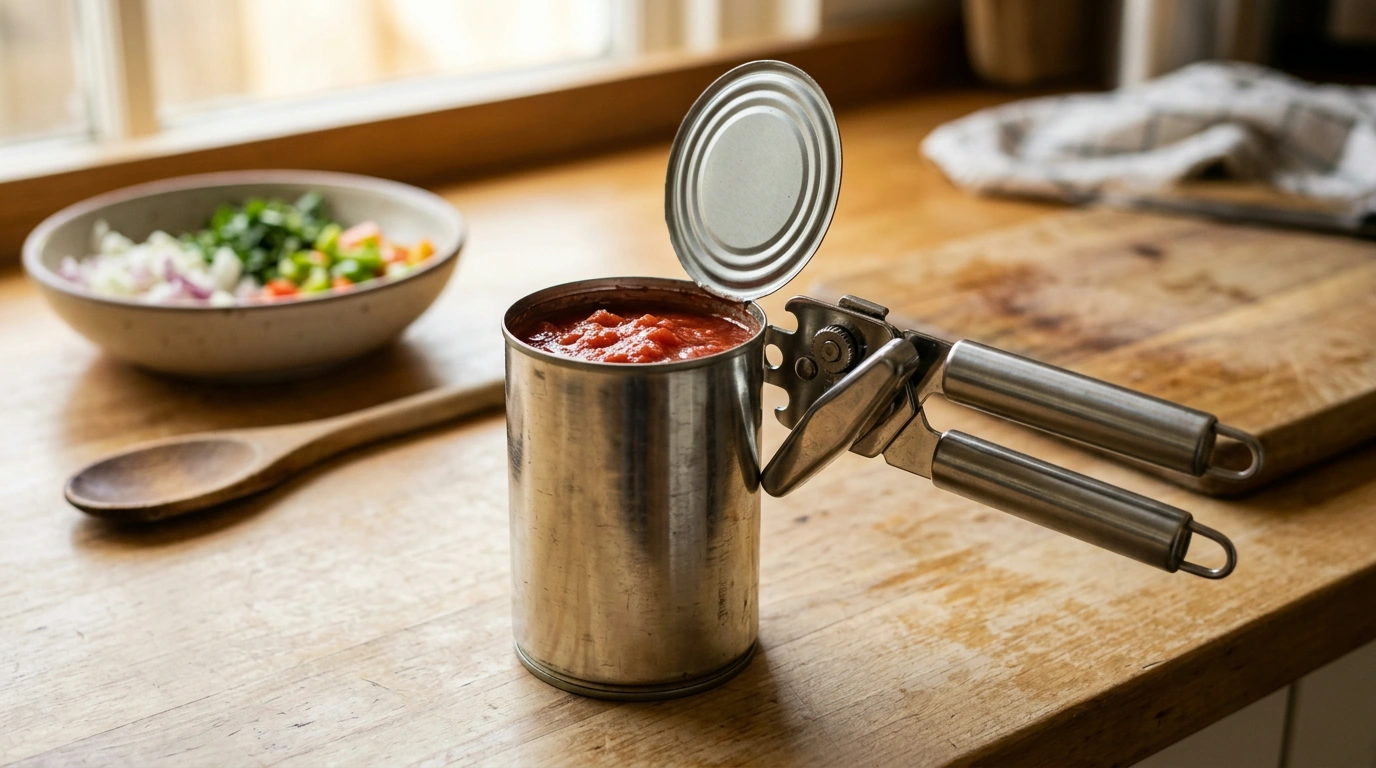
Canned tomatoes for weeknight sauce, beans for quick salads, coconut milk for curries—pantry staples work hardest when opening them is quick, tidy, and comfortable. A stainless steel side-cut can opener with a magnetic lid lift is designed for a smoother daily rhythm: it cuts along the side seam, helps keep the lid under control, and aims for a cleaner edge to handle from counter to recycling.
What “side-cut” changes in everyday cooking
A side-cut can opener works differently than a traditional top-cut style, and the difference shows up in small, practical moments during prep.
- Cuts along the can’s side seam instead of the top, helping separate the lid without dropping it into food.
- Keeps the cutting action away from the top rim where fingers often reach, supporting a neater workflow during prep.
- Helps reduce mess when opening liquids like crushed tomatoes, broth, fruit syrup, or coconut milk by keeping the lid stable as it releases.
- Useful for batch prep days—opening multiple cans feels more consistent when the opener grips and tracks smoothly.
Magnetic lid lift: small feature, big convenience
Once you’re opening cans often, lid handling becomes the part you notice most. A magnetic lid lift is a simple add-on that can make the routine feel more controlled.
- Helps lift the lid away from the can after cutting, so the lid is less likely to fall back into the contents.
- Makes it easier to move the lid directly to trash or recycling without pinching it between fingers.
- Supports cleaner transfers when pouring—particularly helpful for cans that tend to “glug” (evaporated milk, sauces, fruit in syrup).
- A steadier lid handoff is also handy when multitasking at the stove and keeping counters organized.
Quick guide: using a side-cut can opener smoothly
If you’re used to a top-cut opener, the first use may feel slightly different—mainly because you’re guiding it along the side seam rather than biting into the top.
- Set the opener onto the can’s side rim so it sits securely and feels level before turning.
- Turn the handle with steady pressure; let the opener track around the can rather than forcing speed.
- When the cut completes, use the magnetic lift to raise the lid away cleanly.
- Pour or scoop contents as needed; set the lid aside safely, then dispose of it promptly.
- If you’re saving leftover canned ingredients, transfer to a food-safe container and refrigerate rather than storing in the opened can.
Side-cut vs traditional top-cut at a glance
| Feature |
Side-cut can opener |
Traditional top-cut opener |
| Cut location |
Along the side seam |
Across the top lid |
| Lid control |
Magnetic lift helps remove lid cleanly |
Often requires gripping lid edge |
| Pouring/serving |
Lid stays more stable while opening |
Lid may flex or drop into contents |
| Counter cleanup |
Often less splatter from shifting lid |
More likely to drip if lid slips |
Where it fits best: pantry meals and fast prep
Side-cut openers shine in repeatable, high-frequency tasks—especially when you’re moving quickly and don’t want extra cleanup.
- Soup and ramen nights: open corn, bamboo shoots, broth, and beans quickly, then serve in a deep bowl built for comfort.
- Salad and grain bowls: chickpeas, tuna, artichokes, and olives go from can to rinse to bowl with fewer stops.
- Baking and desserts: condensed milk, fruit fillings, and pumpkin purée are easier to portion when the lid stays controlled.
- Camping and backup meals: keeps the routine simple when countertop space is limited.
Care and storage for a stainless steel tool you’ll reach for daily
Daily-use tools stay pleasant to use when residue doesn’t have time to harden around moving parts.
- Rinse and dry after use to keep the mechanism moving smoothly and to reduce residue buildup.
- Wipe the cutting wheel/edge area after opening sticky contents like fruit in syrup or tomato paste.
- Store in a dry drawer or hang within reach; keeping it accessible encourages a more consistent prep routine.
- If performance feels less smooth over time, a thorough clean around the working head can restore easier turning.
For general food handling and storage guidance once a can is opened, see the USDA’s canned foods resources and broader food safety guidance from the CDC: USDA FSIS: Canning and Canned Foods and CDC: Food Safety.
Our picks for a smoother pantry routine
A simple checklist for choosing the right can opener style
FAQ
Does a side-cut can opener work on most standard cans?
Yes—side-cut designs are generally made for the typical round cans used for pantry staples. Very small cans, oddly shaped containers, or pull-tab-only items may not be a good match.
Is the lid edge safer to handle after opening?
Side-cut openers are intended to create a cleaner separation, and the magnetic lift helps you avoid direct contact with the lid. Even so, dispose of lids carefully and keep fingers away from cut metal edges.
What’s the best way to store leftover food from an opened can?
Transfer leftovers to a sealed, food-safe container and refrigerate promptly. Avoid storing food in the opened can, since it’s harder to seal well and can affect freshness after opening.
Recommended for you









Leave a comment